
Plumas County Hidden Gems: What to Do Beyond the Obvious
The underrated Sierra Nevada county that most California travelers have never heard of — and why that's the point. A guide to Plumas County's best kept secrets.
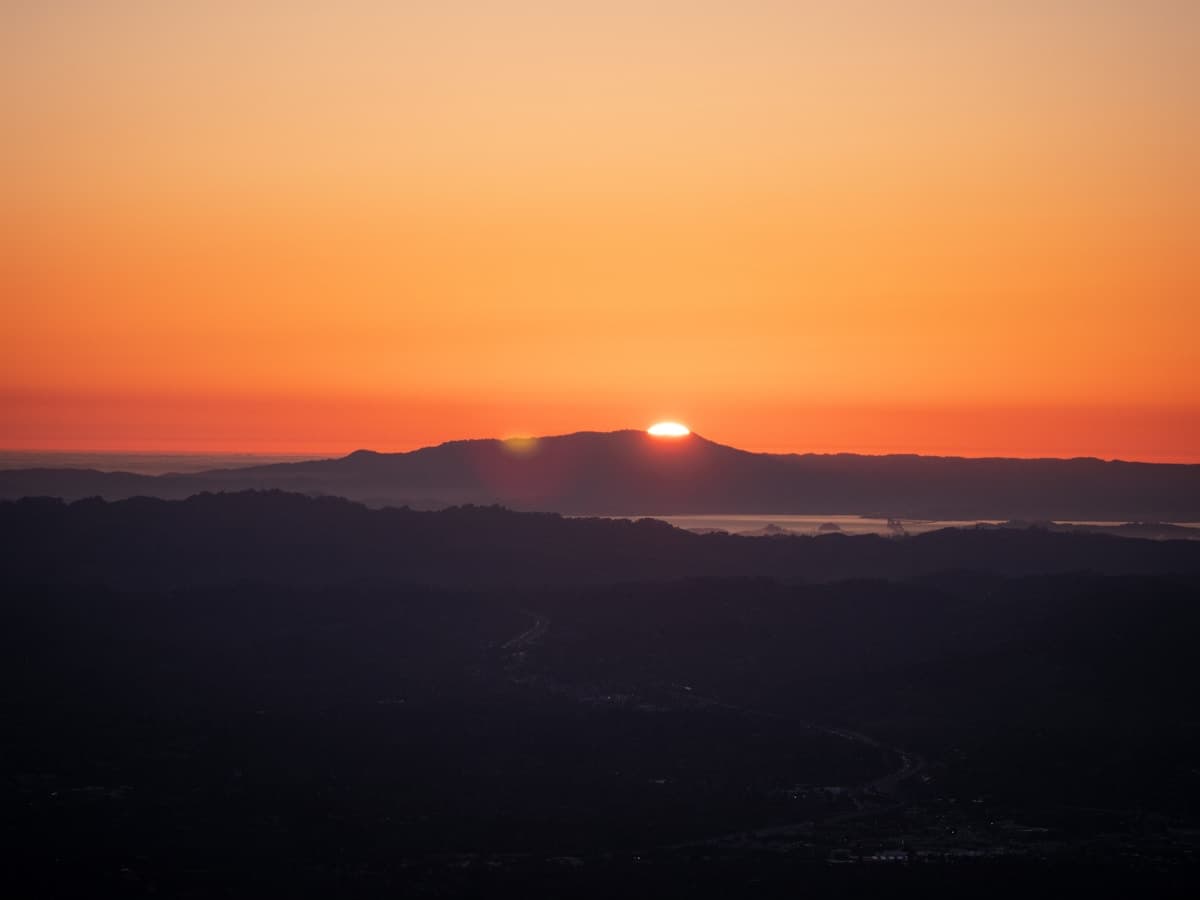
If you mention Lake Tahoe, everyone knows what you mean. Say "Yosemite" and people picture it immediately. But say "Plumas County" and most Californians — even lifelong residents — draw a blank. That's the point. Plumas County is 2,600 square miles of Sierra Nevada mountain country with no famous anchor attraction, no celebrity endorsement, and no overcrowding. What it has instead is an accumulation of genuinely remarkable places and experiences that the tourism infrastructure hasn't yet figured out how to ruin.
Our Graeagle cabin sits in the heart of it. This guide is the one we give guests who want to go deeper than the Gold Lake Basin and the golf courses — the places that make regulars come back every summer and tell their friends about, then quietly hope those friends don't tell too many other people.
Why Plumas County Is Underrated
Plumas County's relative obscurity comes down to geography. It's north of I-80 — the corridor that funnels Bay Area visitors to Tahoe — and south of the Shasta/Cascades region that draws Northern California recreationists. It sits in a pocket that most routes skip entirely. The county seat, Quincy, has a population of about 5,000 people. The entire county — 2,600 square miles — has around 18,000 residents. In peak summer, the mountain towns see visitors, but nothing approaching the gridlock of Tahoe's south shore or the crush at Yosemite Valley.
What makes Plumas County extraordinary is the variety: railroad history, hot springs, dramatic canyon drives, pristine reservoirs, a state-of-the-art fish hatchery that's genuinely fascinating to children, authentic small-town characters, and outdoor recreation across every discipline. All of it is accessible from our Graeagle cabin, most of it within 45 minutes.
Portola Railroad Museum (35 min to Portola)
The Portola Railroad Museum holds a legitimate claim to being the largest operating railroad museum in the United States, with over 130 pieces of historic rolling stock — locomotives, freight cars, passenger cars, cabooses — spread across a 60-acre site at the Western Pacific Railroad yard in Portola. The scale is immediately impressive: massive diesel locomotives in a dozen paint schemes, the rusted steel bones of freight cars that hauled supplies across the Sierra Nevada for decades, an outdoor display that unfolds as you walk through it.
What makes Portola truly unique in the museum world is the "operate a locomotive" program. Visitors can actually climb into the cab of a historic diesel locomotive and operate it — under the supervision of a museum volunteer — along a short demonstration track. This is not a simulation. You are actually at the controls of a historic diesel engine, advancing the throttle and feeling the machinery respond. The experience runs approximately 30 minutes and costs around $75–$100 per session. It books up quickly on summer weekends — call ahead to reserve.
The museum is operated largely by volunteers from the Feather River Rail Society, and the passion of those volunteers transforms the experience. They aren't just giving tours — they're telling you about their own careers working on these lines, describing specific runs through the Feather River Canyon in the 1970s, and explaining the mechanical ingenuity of railroad technology in ways that make the equipment come alive. Kids are universally entranced.
The museum is open Thursday through Monday in summer (10 AM – 5 PM). Admission is modest — approximately $10 adults, $5 children. The "operate a locomotive" sessions require advance booking at (530) 832-4532.
Feather River Canyon Scenic Byway (Hwy 70)
Highway 70 through the Feather River Canyon is California's most underappreciated scenic drive. The highway follows the North Fork of the Feather River from Quincy west through a series of increasingly dramatic gorges — granite walls rising hundreds of feet on both sides, the river below white with rapids, railroad tunnels bored directly through cliff faces that appear impassable from the road. Nineteenth-century engineers were so challenged by this canyon that railroad historian Lucius Beebe called the construction of the Western Pacific line through it "one of the greatest engineering feats in American railroad history."
The drive from Quincy to the canyon floor takes about 45 minutes and the payoff builds with each mile. The Poe Dam area, roughly halfway through, is particularly dramatic — the river narrows between vertical granite walls, the highway tunnels through solid rock, and the railroad tracks on the opposite bank are visible clinging to the cliff face in places with no apparent earthly support. Wildlife is abundant in the canyon: river otters, ospreys, black bears, and — in spring — Pacific salmon and steelhead working their way upriver through the rapids.
For the best experience, drive the canyon from Quincy to the town of Oroville and back, stopping at the Poe Dam vista, the Rock Creek turnout (a short walk to a spectacular rapids viewpoint), and the historic Pulga bridge crossing. The round trip is approximately 100 miles and takes about 3 hours with stops — a perfect half-day excursion from the cabin.
Bucks Lake (45 min)
Bucks Lake is the answer for Plumas County visitors who love Lake Tahoe but want it without the traffic, the crowds, and the $25 parking fees. The reservoir sits at 5,200 feet elevation in the Plumas National Forest and covers 1,827 acres with 17 miles of shoreline. It has everything Tahoe has — clear mountain water, forested shoreline, excellent fishing, water skiing, kayaking, a small marina — and almost none of Tahoe's infrastructure problems.
The fishing at Bucks Lake is particularly well-regarded. The lake holds rainbow trout and kokanee salmon, and it's stocked regularly by the California Department of Fish and Wildlife through the Feather River Hatchery (more on that below). Trophy rainbow trout are present — the lake record is well over 10 pounds. The kokanee salmon fishing runs strong from late July through October, when the fish are staging for their fall run. Bank fishing is accessible throughout the south shore; boat fishing accesses the most productive deep-water spots.
Haskins Valley Campground on the north shore is one of the best developed campgrounds in the Plumas National Forest: forested sites, lake access, clean facilities. If your group includes overnight campers, this is the spot. Day visitors can use the public launch ramp and a small day-use area near the dam.
Water skiing is permitted on most of Bucks Lake, and the absence of Lake Tahoe's strict no-wake zones and crowded conditions makes it a much more relaxed motorized water sports experience. Jet skis are also permitted. A small boat launch fee applies.
Quincy (30 min): The Real Mountain Town
Quincy is what mountain towns were before they became tourist destinations. The county seat of Plumas County has a beautiful Victorian-era downtown centered on a handsome 1921 courthouse, a population of 5,000 people who are genuinely friendly rather than professionally warm, and a downtown commercial district that includes independent shops, a locally-owned hardware store, a classic Western saloon, and not a single chain restaurant. This is an authentic California mountain community, and spending an afternoon here provides the kind of grounded, un-curated regional character that travel writers have been chasing for decades.
Quincy Farmers Market
The Quincy Certified Farmers Market runs Thursday evenings in summer (typically June through September) in the courthouse parking area. Local produce, honey, flowers, prepared foods, and crafts from the surrounding farms and artisans. Small, unhurried, and excellent — the kind of market that functions as a genuine community gathering rather than a tourist attraction.
Moon's Restaurant
Moon's has been feeding Plumas County since 1947. The menu covers Italian-American classics alongside a steak program that would be impressive in any city — but in a town of 5,000 people at 3,500 feet elevation, it's extraordinary. The prime rib on Friday and Saturday evenings is legendary among regular visitors to the area. Cash and card accepted; reservations recommended on weekends at (530) 283-0765.
Plumas National Forest Headquarters
The main Plumas National Forest visitor center in Quincy is worth a 20-minute stop for anyone spending serious time in the county. The rangers have current trail condition reports, fire road closures, fishing regulations, and wildflower bloom status that isn't available anywhere else. They can also point you toward less-known recreation spots that don't appear in any guidebook. The center has interpretive displays on the forest's ecology and history and a complete map of the 1.1-million-acre forest.
Cromberg Fish Hatchery (15 min): Free and Fascinating
The Feather River Fish Hatchery at Cromberg is a working state facility that raises rainbow trout and steelhead for stocking in the Feather River system and surrounding lakes — including Bucks Lake and the Gold Lake Basin. It's open to visitors year-round at no charge, and the tour of the facility is genuinely educational in a hands-on way that children find far more engaging than a typical museum exhibit.
The outdoor rearing ponds hold tens of thousands of fish at various stages of development, from tiny fry to 12-inch adults ready for stocking. Feeding the fish (bags of fish food available at the visitor center for $1) causes an explosion of activity in the ponds that kids absolutely love. The hatchery staff is welcoming and willing to explain the fish life cycle, stocking logistics, and the history of fish hatchery programs in the Sierra Nevada.
The Cromberg facility sits on the bank of the Middle Fork Feather River, which is excellent wild trout water in its own right. Several large resident brown and rainbow trout can be seen in the river directly adjacent to the hatchery — they congregate near the hatchery outflow, where supplemental nutrients in the water concentrate food sources. The riverside setting is beautiful, and a 15-minute walk downstream from the hatchery leads to a particularly pretty stretch of river with good bank fishing access.
Sierraville Hot Springs (45 min, Near Truckee)
Sierraville Hot Springs sits in a remote valley between Graeagle and Truckee — close enough to be a day trip from the cabin, far enough from any major town to maintain a genuine wilderness thermal experience. The springs are managed as a private resort with day passes available ($30–$50 per person depending on the day and season). The pools range from approximately 98°F to 106°F, fed directly by geothermal springs, and they're set in a meadow with minimal development — no fluorescent lights, no concrete pool deck, no resort infrastructure competing with the natural setting.
The Sierraville area itself (the town is tiny — a few hundred residents) is beautiful high-valley ranch country, at about 4,900 feet elevation. The drive from Graeagle via Hwy 89 passes through the Mohawk Valley and a stretch of open meadow and ponderosa pine forest that's quintessentially northeastern Sierra Nevada. Book day passes in advance at Sierraville Hot Springs' website; the pools have capacity limits and can sell out on summer weekends.
Graeagle Mill Pond: Don't Miss This
If you're staying at our cabin and somehow haven't made it to the Graeagle Mill Pond, fix that immediately. It's a 15-minute walk from the front door, and it's one of the most pleasant evening experiences in the entire Graeagle area. The Mill Pond is a 10-acre man-made lake created in the early 1900s to power the local lumber mill — the historic Graeagle Mill structures still stand on the north shore, giving the setting a sense of living industrial history that most alpine lakes lack.
In summer, the Mill Pond comes alive: kayak and canoe rentals through the Graeagle Outpost ($15–$20/hour), a small sandy beach with a rope swing, summer evening concerts on the grass amphitheater, and the informal gathering-place energy of a small mountain community that has found its favorite park. Sunset paddles on the Mill Pond — with the mill buildings reflected in the still water and the first stars appearing over the Sierra — are one of those experiences that guests describe for months after returning home.
The Graeagle Outpost operates a food and beverage stand at the Mill Pond in summer: excellent breakfast burritos, espresso, and cold drinks. Weekend mornings see locals gathering here with dogs and children in a way that makes you feel briefly like a resident rather than a visitor.
The PourHouse Graeagle and Mohawk Hotel
The PourHouse is the best bar in Graeagle — which, in a town of 500 people, means it's also the social hub of the entire community. Local craft beers on rotating tap, a pool table, a jukebox, and the kind of lively summer evening energy that makes you lose track of time. It's the place where the cabin rental guests and the local ranchers and the golf resort staff all end up at the same bar on a Friday evening, and the conversation that results is genuinely interesting.
The Mohawk Hotel, about 2 miles from town center in the Mohawk Valley, is a different kind of experience. Built in 1914, it's been a bar and gathering place for the valley ever since, and the building retains the character of a century of continuous operation. The burger is excellent, the beer selection covers the Sierra Nevada Brewery staples and some regional independents, and the historical photographs on the walls tell the story of the Mohawk Valley's transition from logging and mining country to the vacation destination it's become. Worth the short drive for lunch or an afternoon beer if you want to experience the area's older character.
Beckwourth Pass: History Hidden in Plain Sight
Twenty minutes north of Graeagle on Highway 70 sits Beckwourth Pass, the lowest crossing of the Sierra Nevada at just 5,221 feet. Most travelers drive through it without stopping. They should stop.
The pass is named for James Beckwourth, one of the most remarkable figures of the American frontier. Born into slavery in Virginia in 1800 to an enslaved woman and her white planter owner, Beckwourth escaped to freedom as a young man and became one of the most celebrated mountain men and scouts of the 19th century. He lived for years with the Crow Nation (who named him "Morning Star" and made him a chief), fought in multiple wars, operated trading posts across the frontier, and became the first person to document a route across the Sierra Nevada at this location in 1851. He guided the first wagon train of California-bound emigrants through the pass in 1851, and the route became one of the most important highways of the Gold Rush era.
A small historical marker at the pass explains Beckwourth's history and the significance of the route. The view from the pass — looking east into the Great Basin desert and west into the forested Sierra Nevada — is striking in its abruptness: you can stand with one foot in each ecological zone and see both simultaneously. For anyone interested in American history, the story of James Beckwourth and this pass is one of the most compelling narratives in the entire Gold Rush saga.
Building Your Plumas County Day
The best full-day Plumas County itinerary from the cabin: Start with the Cromberg Fish Hatchery and a walk along the Middle Fork Feather River (8:30–10 AM). Drive to Portola for the Railroad Museum, including an "operate a locomotive" session if booked in advance (10:30 AM – 1 PM). Lunch at the museum's picnic area or drive 5 minutes to the town of Portola for a diner lunch. Drive to Bucks Lake for a 2-hour afternoon on the water (kayak, swim, or fish) (2–4:30 PM). Return to the cabin through Quincy to stop at Moon's for dinner — call ahead for a reservation (7 PM).
That's a full day covering railroad history, natural history, fishing, swimming, and one of the best steakhouses in the Sierra Nevada — all within 45 minutes of the front door. That's the promise of Plumas County: world-class variety in complete obscurity.
Ready to experience it? Book the Graeagle cabin and we'll send you an updated guide with current hours, seasonal closures, and our personal recommendations based on your travel dates and group composition.
More from the Journal
A Plumas-Eureka History Day Beyond the Museum
A self-guided history day at Plumas-Eureka State Park: stamp mill ruins, mining trails, a historic ski bowl, and Graeagle's own mill-town story.
Which Lakes Basin Lake Fits Your Day?
A Graeagle-area guide to Gold Lake, Long Lake, Bear Lakes Loop, and Goose Lake, with 2026 hours, fees, and driving distances for the Lakes Basin.