
Gold Lake Basin: The Best Day Trip from Our Graeagle Cabin
30+ alpine lakes within 15 minutes of the cabin — swimming, kayaking, fishing, hiking, and Sierra Nevada scenery that rivals anything in California.
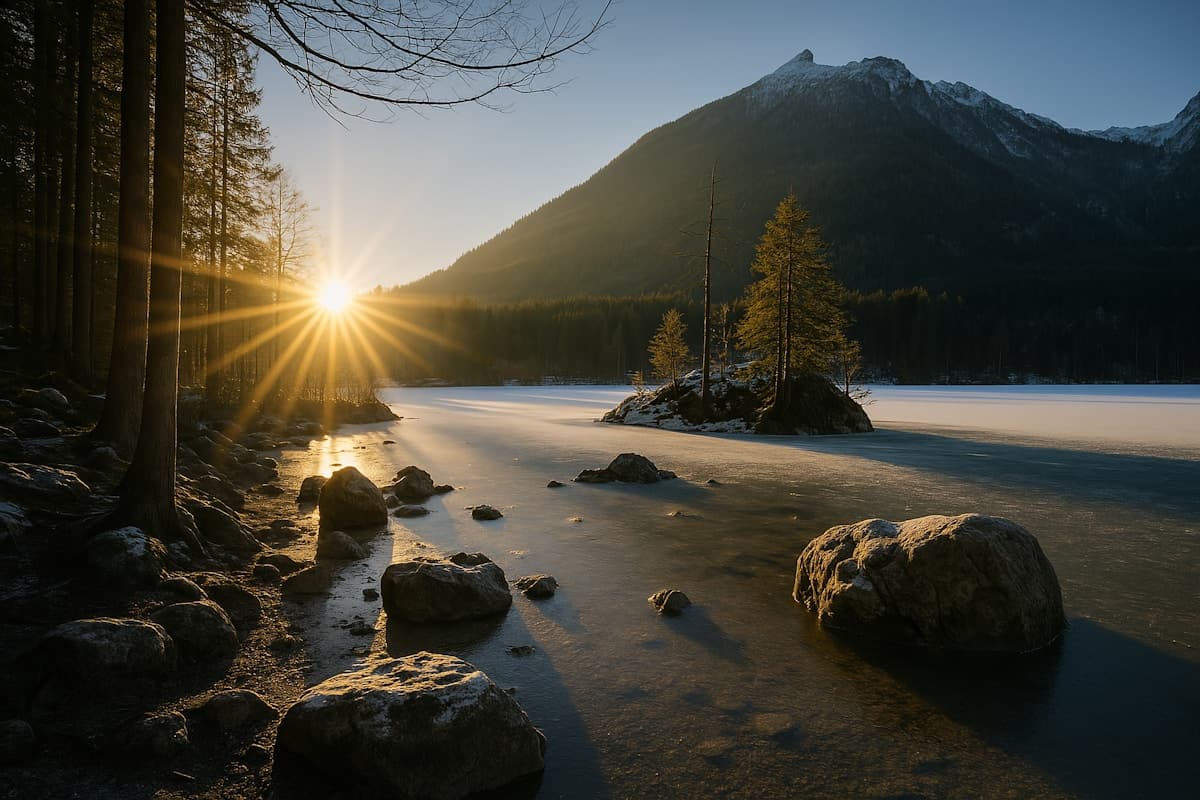
Fifteen minutes from our Graeagle cabin — up a winding two-lane road lined with Jeffrey pine and red fir — lies one of the most spectacular alpine landscapes in California. The Gold Lake Basin (officially the Lakes Basin Recreation Area) is a glacially carved high-country plateau at 5,500–7,000 feet elevation, dotted with more than 30 lakes of every size and character. Some are warm and shallow, perfect for kids and casual swimmers. Others are deep, cold, and ringed by dramatic granite peaks that tower over the water. A few are so remote that you can hike for hours without seeing another person. Most require nothing more than a short drive on a dirt road or a flat trail walk to reach.
This is not a side trip or a secondary attraction. For many guests, the Gold Lake Basin becomes the defining experience of their Graeagle stay — the place they come back for every year and the thing they tell their friends about when they return home. This guide covers everything: all the best lakes, the hiking options, fishing, swimming, wildlife, what to bring, and how to build the perfect basin day.
Getting There
From the cabin, head south on Highway 89 and turn onto Gold Lake Road. The road is paved for the first several miles, then transitions to improved gravel for the final approach to the upper basin lakes. The drive takes about 15 minutes to the first lake access points, 20–25 minutes to the upper basin. Standard passenger vehicles handle Gold Lake Road without difficulty in summer; high-clearance is not required, but avoid it in wet conditions if you're driving a low-clearance vehicle.
The entire basin is managed by the Plumas National Forest. No entrance fee is required, though developed campgrounds charge a nightly fee. Trailheads have free day-use parking.
The Lakes: A Complete Guide
Gold Lake: The Heart of the Basin
At 1,500 acres, Gold Lake is the largest lake in the basin and the one most guests visit first. It's not the most dramatic — that title belongs to Sardine Lake — but it's the most complete experience: a sandy beach area at the south end suitable for swimming, excellent fishing, kayak and paddleboard rentals through Gold Lake Lodge, and a shoreline walk that's flat and achievable for almost anyone.
The water at Gold Lake stays cold well into summer — typically 60–68°F even in August — so swimming is more of the quick-dip-and-gasp variety than a prolonged recreational swim. The fishing, however, is exceptional. Gold Lake holds trophy-sized rainbow trout and brown trout, and it's regularly cited among the top fly fishing destinations in the northern Sierra. The south shore is accessible by foot; a more remote stretch of the north shore requires a short trail walk and rewards anglers with less pressure and larger fish.
Gold Lake Lodge operates kayak and paddleboard rentals in summer (typically July through Labor Day). A flat-water paddle around the north end of the lake, with Sierra Buttes rising dramatically to the south, is one of the most scenic non-motorized water experiences in Northern California. The lodge also serves breakfast and lunch during the summer season — the eggs and pancakes after an early morning paddle are a Basin tradition.
Sardine Lake: The Most Photogenic Lake in the Basin
Lower Sardine Lake is the postcard lake of the Gold Lake Basin. It sits at the base of Sierra Buttes — the craggy, dramatic ridgeline that looks like the Sierra Nevada decided to show off — and the reflection of those peaks in the still blue-green water on a calm morning is one of the best landscape photographs you'll ever take without needing a permit or a 10-mile hike.
The Sardine Lake Resort (rustic but charming) operates a restaurant at the lower lake during summer, serving lunch and dinner. Trout fishing at Sardine is exceptional, and the lake has a reputation for producing larger fish than Gold Lake. A short trail connects the lower lake parking area to the upper Sardine Lake — a steeper, slightly more remote body of water with dramatic cliff faces rising directly from the east shore. The upper lake is less visited and feels genuinely wild despite being under 30 minutes from the cabin.
Get to Lower Sardine Lake before 10 AM on summer weekends — the parking area is small (about 15 vehicles) and fills completely by mid-morning. Alternatively, the weekday experience is superb with very little competition for the best photography spots.
Packer Lake: Primitive Feel, Excellent Fishing
A short drive past Sardine Lake, Packer Lake has a different character entirely — more remote, less developed, and surrounded by terrain that feels genuinely backcountry. The lake sits in a glacially carved bowl with Sierra Buttes looming over the east shore, and the primitive campground on the western bank has fire rings and pit toilets but no hookups or developed infrastructure.
Packer Lake is excellent for fishing — rainbow trout are the primary target, and the lower visitor traffic means less fishing pressure and more willing fish. The shoreline is rocky in places, so bring wading shoes if you want to access the best bank-fishing spots. Several trails depart from the Packer Lake trailhead, including the ambitious route up to the Sierra Buttes Lookout Tower (a 4-mile round trip with 1,800 feet of gain — serious hiking, extraordinary summit views).
Long Lake: Easy Family Trail with Wildflowers
The trail to Long Lake from the Round Lake trailhead is one of the best family hikes in the basin: 2 miles round-trip, minimal elevation gain, entirely through beautiful old-growth red fir forest. The lake itself is clear and still, with excellent reflections of the surrounding peaks and an easy, flat shoreline for kids to explore.
Long Lake peaks in mid-June through early July when the surrounding meadows and trail edges are carpeted with Sierra Nevada wildflowers: blue lupine, yellow mule-ears, pink phlox, and white yarrow. This is genuinely one of the best wildflower walks in Northern California during peak bloom, and it requires no significant athletic ability. Fishing is allowed at Long Lake; rainbow trout are present. The lake is cold and not ideal for swimming, but the shoreline is beautiful for a picnic.
Sand Pond: Warm, Shallow, Perfect for Kids
Sand Pond is unique in the Gold Lake Basin — a shallow, sandy-bottomed pond that warms significantly faster than the deeper alpine lakes, typically reaching 70–75°F by mid-July. It's lifeguarded during the summer season, making it the single best family swimming destination in the basin for young children. The sandy approach is stroller-accessible, the water entry is gentle with no sharp rocks, and the surrounding meadow is beautiful.
The Sand Pond area is operated by Plumas National Forest as a day-use recreation site. It can get crowded on summer weekends — arrive by 10 AM for a good spot. Weekday mornings are often nearly empty. There are restrooms and picnic tables at the site.
Elwell Lakes Trail: The Full Basin Loop
For experienced hikers who want to see the basin comprehensively, the Elwell Lakes Loop connects multiple lakes — including Elwell, Long, Round, Silver, and several smaller unnamed tarns — in a 10-mile circuit with approximately 1,200 feet of cumulative elevation gain. The trail passes through diverse terrain: dense forest, open granite slabs, high-country meadows, and the shorelines of six lakes in a single day.
Plan 5–6 hours for the full loop, bring 2+ liters of water per person (the high elevation and dry air dehydrate you faster than expected), and start by 8 AM to complete the circuit before any afternoon thunderstorms build. The summit section of the loop, above 7,000 feet, offers panoramic views of the entire basin and, on clear days, the Coast Range nearly 100 miles to the west.
Wildlife in the Gold Lake Basin
The basin is excellent wildlife territory, and most guests see multiple species in a single day. Common sightings include:
- Osprey and bald eagles: Both species fish Gold Lake and Sardine Lake regularly. Early morning is the best time to watch — osprey diving for trout at first light is an extraordinary sight.
- Black bears: Active throughout the basin, especially in late summer when they're bulking up on berries before winter. Standard bear safety applies: make noise on the trail, never approach or feed, store all food in your vehicle.
- Mule deer: Extremely common. Herds of 5–15 deer often graze the meadow near Sand Pond in the evening hours.
- Coyotes: Heard more than seen, particularly at dawn and dusk. The howling echoing across the basin at sunset is one of the memorable sounds of a Sierra Nevada evening.
- Great blue herons: Work the shallows of Gold Lake and Sand Pond. Patient and stately — they'll often stand motionless for 5–10 minutes at a time.
- Pileated woodpeckers: The largest woodpecker in North America is present in the old-growth forest sections. Listen for the distinctive, almost pterodactyl-like call in the red fir groves.
If You See a Bear
Make yourself large, speak in a calm, firm voice, and back away slowly. Never run — bears can reach 30 mph and running triggers a chase instinct. If a bear approaches, clap loudly and shout "Hey bear!" Most bears in the Lakes Basin are habituated to human presence but not aggressive; they're curious and food-motivated. Keep food in sealed containers in your car, not in your tent or daypack left at a trailhead. Bear canisters are required for overnight camping throughout the basin.
Seasonal Guide: When to Visit
June: Wildflowers and High Water
Gold Lake Road typically opens in late May to early June depending on snowpack. When it opens, the basin is at its most dramatic — waterfalls are running full, the lakes are at maximum level, and the wildflower season is beginning. The water is still very cold (54–60°F) and snow may be present at higher elevations. The Elwell Loop may have snow patches above 7,000 feet in early June.
July–August: Peak Season
The ideal window for every activity: swimming is feasible (especially at Sand Pond), fishing is excellent, all trails are clear, and the days are long. This is also the busiest period — weekends see significant traffic at Gold Lake and Sardine Lake. Weekday visits in this window are dramatically less crowded and barely feel different from shoulder season.
Afternoon thunderstorms are common in July and August, typically building between 1–3 PM and passing by 5 PM. Plan hikes to be off exposed high terrain by noon, or start early enough to complete longer routes before the weather builds.
September: The Sweet Spot
September is the basin at its best for experienced visitors: crowds thin dramatically after Labor Day, the weather is more stable than midsummer, morning frost adds drama to the reflections at Sardine and Gold Lakes, and the aspens in the lower elevations begin their gold and orange turn in the last two weeks of the month. Water temperatures in the lakes drop back to cold, but the hiking, fishing, and photography are superb.
What to Bring
- Sun protection: At 5,500–7,000 feet elevation, UV intensity is 40–50% higher than at sea level. SPF 50 minimum, sunglasses, and a hat are non-negotiable for a full basin day.
- Layers: Morning temperatures in the basin can be 50–60°F even in July. Bring a light fleece or wind shell that packs small — you'll likely not need it by 11 AM, but you'll want it at 7 AM by the lake.
- Bear canister (for overnight trips): Required for camping throughout the basin. Rentals available at the Graeagle Outpost.
- Water (2+ liters per person): The high altitude and dry air create significant hydration demand. Carry more than you think you need.
- Trail snacks and lunch: There's only one restaurant at the basin (Sardine Lake Lodge, open in summer). For a full day, pack a lunch.
- Camera: Sardine Lake and Packer Lake in morning light are extraordinary. This is one of the most photogenic landscapes in the Sierra Nevada.
- Fishing license: California fishing license required for anyone 16+. Available at the Graeagle Outpost or online at wildlife.ca.gov.
Combine the Basin With: Frazier Falls and Dinner
The best single-day Gold Lake Basin itinerary from our cabin: Wake up early, drive to Sardine Lake for sunrise photography and a morning walk (7–9 AM). Drive to Gold Lake for kayak rentals and a paddle or shore fishing session (9 AM–12:30 PM). Lunch at the Gold Lake Lodge if open, otherwise picnic at the Sand Pond area. Afternoon swim at Sand Pond with the kids (1–3 PM). Stop at Frazier Falls on the way home — it's a 20-minute detour from Gold Lake Road back to Highway 89, and the 1-mile trail to the 178-foot waterfall takes under an hour round-trip (3:30–4:30 PM). Arrive back at the cabin by 5 PM, fire up the grill, and head to The Brewing Lair in Blairsden (20 min) for craft beers and dinner at 7 PM.
That's 10 hours and six distinct Sierra Nevada experiences — all within 15–25 minutes of the cabin. Not many vacation rentals in California can match that density of world-class outdoor recreation.
Ready to make it happen? Book the Graeagle cabin and we'll send you a detailed Gold Lake Basin guide with current road conditions, fishing report sources, and our updated season-specific recommendations for your travel dates.
More from the Journal
A Plumas-Eureka History Day Beyond the Museum
A self-guided history day at Plumas-Eureka State Park: stamp mill ruins, mining trails, a historic ski bowl, and Graeagle's own mill-town story.
Which Lakes Basin Lake Fits Your Day?
A Graeagle-area guide to Gold Lake, Long Lake, Bear Lakes Loop, and Goose Lake, with 2026 hours, fees, and driving distances for the Lakes Basin.