
Frazier Falls: A Short Paved Waterfall Walk
Plan the 1-mile round-trip paved walk to a 176-foot waterfall, including the Forest Service accessibility warning and seasonal checks.
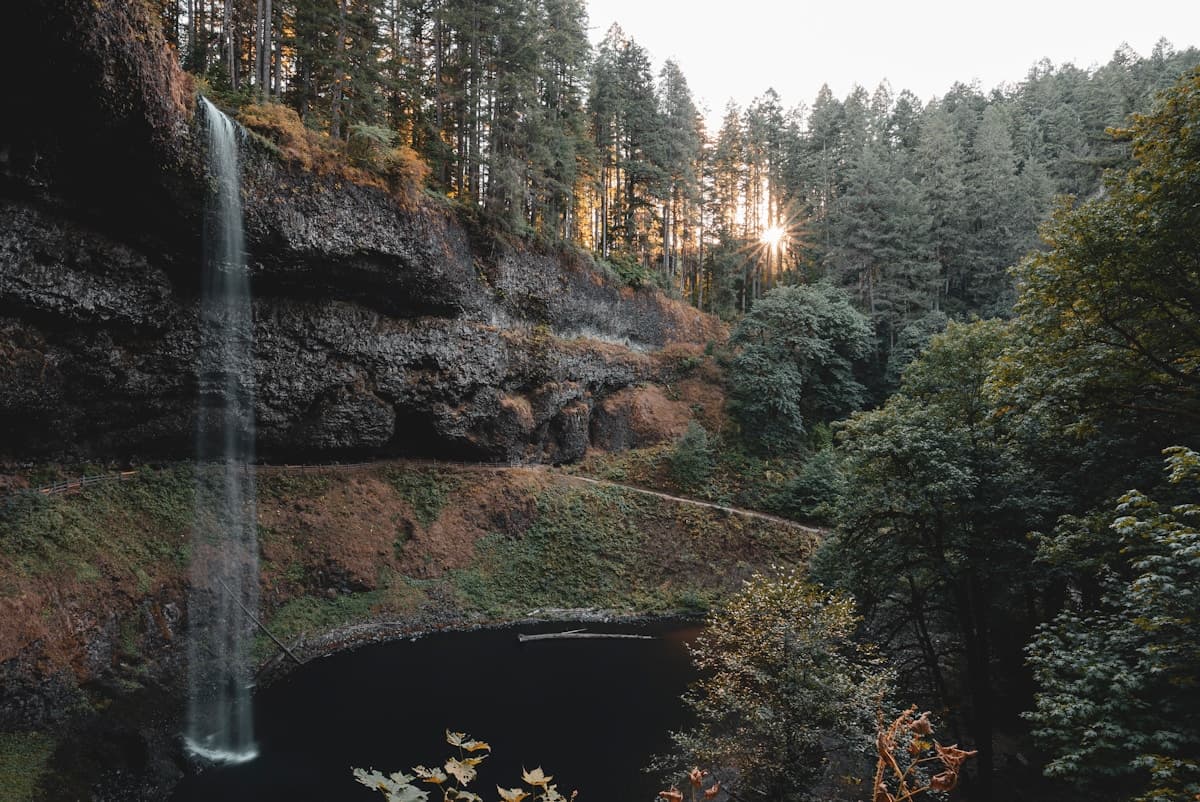
Frazier Falls is a short waterfall walk in the Lakes Basin Recreation Area. The Forest Service trail guide lists the paved route as 0.5 mile each way and the waterfall as 176 feet. Conditions, road access, and individual mobility needs can change the character of this outing, so use the practical checks below before leaving Graeagle.
The Trail
The Forest Service lists the trail as 0.5 mile each way, or about 1 mile round trip, on a paved route to the overlook. Paved does not mean universally accessible: the same guide rates wheelchair use as difficult and warns that assistance may be needed. Visitors using wheelchairs, strollers, or other mobility equipment should review current conditions with the Beckwourth Ranger District before making the trip.
The Waterfall
The route ends at an overlook above the 176-foot falls. Water volume varies with snowpack, runoff, and recent weather, so check current conditions rather than assuming a fixed peak-flow window. Stay behind barriers and follow posted trail notices.
The geology here is a direct product of the last Ice Age. Frazier Creek carved this gorge over thousands of years as it flowed from the Lakes Basin — the cluster of glacially-scoured alpine lakes that sit above — down toward the Middle Fork of the Feather River. The granite cliff face the water drops over is roughly 100 million years old, part of the Sierra Nevada batholith that forms the spine of California's mountains.
Seasonal Guide
Spring (May–June)
Peak waterfall season. Snowmelt from the Lakes Basin above pumps maximum volume through Frazier Creek, and the falls hit their most dramatic flow — the thundering at the overlook is audible from the parking lot. The forest floor is carpeted with wildflowers: purple shooting stars, yellow violets, pink bleeding hearts. Note that the road may not open until late May in high-snowpack years. Check conditions with the Plumas National Forest before driving out.
Early Summer (July)
Still excellent flow, but the road is reliably open and crowds are manageable on weekdays. Afternoon light is particularly beautiful in July, hitting the spray at a low angle that creates persistent rainbows at the overlook. Temperatures in the forest are comfortable — typically 75–85°F in the afternoon.
Late Summer (August–September)
Lower flow, but the trails and forest are at their most accessible. Photography actually improves in some ways — you can see the rock face clearly, and the long shadows of September add drama. The hike is shorter than most visitors expect, so combine it with a swim at Sardine Lake or Gold Lake on the same day.
Fall (October)
Aspen color and waterfall flow vary with weather, snowpack, and drought conditions. For an autumn visit, check current local reports and aim for soft morning light without assuming a fixed peak week.
Winter
The road closes with the first significant snowfall, typically in November. Adventurous visitors with snowshoes occasionally access the falls in winter, but the road is not plowed and requires a 4–5 mile snowshoe from the highway junction. Not recommended without winter wilderness experience.
Photography Tips
Frazier Falls photographs well in nearly every condition, but a few tips will dramatically improve your shots:
- Use the mist strategically. In peak flow (May–June), the mist at the overlook means your lens will fog. Bring a microfiber cloth and wipe frequently. Position yourself at the far left of the overlook platform for the least spray exposure while still getting the full falls in frame.
- Shoot in the shade. The falls face generally northeast. Morning light hits the face directly and can blow out the white water. Overcast days or late afternoon in the shade of the gorge walls produce the most dramatic, even lighting.
- Slow shutter for silky water. Even with a phone camera, use portrait mode or the dedicated slow-shutter mode if available. Set up on the overlook railing for stability. A 1/8-second to 1/4-second exposure will give the classic silky waterfall effect.
- Include human scale safely. A person standing behind the overlook railing can show the scale of the 176-foot drop without leaving the designated viewing area.
- The gorge view. About 100 yards before the overlook, a short spur to the left gives a side-angle view into the gorge that's less common in photos and sometimes more dramatic than the standard overlook shot.
The Gold Lake Basin: What to Combine It With
Frazier Falls sits at the edge of the Lakes Basin Recreation Area, where many glacial lakes range from roadside-accessible to remote. These are practical candidates to compare with a falls visit:
Sardine Lake (10 min from falls)
One of the most photogenic lakes in the Sierra. The lower Sardine Lake sits at the base of Sierra Buttes (the jagged, dramatic peaks visible from much of the Graeagle area), and the reflection of those peaks in the clear blue water on a calm morning is extraordinary. There's a small, rustic resort at the lake with a restaurant serving lunch and dinner in summer — the cheeseburger and cold beer situation after a hike and waterfall visit is highly recommended. The upper Sardine Lake requires a moderate 1.5-mile hike from the lower lake parking area and is usually less crowded.
Packer Lake (12 min from falls)
Packer Lake has a campground and fishing access in a glacially carved bowl below Sierra Buttes. Several routes connect into the surrounding trail network; use a current land-manager map for distance, gain, and closures.
Gold Lake (15 min from cabin, 5 min from falls)
The largest lake in the Gold Lake Basin at 1,500 acres, Gold Lake offers kayaking, paddleboarding, and excellent fly fishing for trophy-sized rainbow and brown trout. The Gold Lake Lodge has kayak and paddleboard rentals in summer. A sandy beach area at the south end is popular for swimming, though the water stays cold (typically 62–68°F) even in August. The shoreline walk around the north end of the lake is flat, beautiful, and takes about 90 minutes round-trip.
Long Lake (15 min from falls)
A 2-mile round-trip trail from the Frazier Falls parking area (continue past the main lot) leads to Long Lake, one of the clearest alpine lakes in the Basin. The trail passes through stands of old-growth red fir and across granite slabs. Fishing is excellent, and the swimming at Long Lake — while cold — is one of the purest mountain swimming experiences in the region.
Getting There
From Graeagle, use Highway 89 and Gold Lake Road toward the signed Frazier Falls trailhead. Travel time, parking availability, and road access vary. Check current Forest Service road and trail information before departure, especially after snow or wildfire activity, and never assume an early arrival guarantees parking.
Packing List
- Light jacket or fleece — the gorge is shaded and cool even on warm days
- Microfiber cloth if you're bringing a camera (mist in peak season)
- Water — at least 16 oz per person for the short walk, more if you're continuing to nearby lakes
- Snacks — there are picnic tables at the trailhead
- Sun protection — the parking area and first part of the trail are exposed
- Dog leash — the trail is dog-friendly but dogs must be leashed at all times
- Swimsuit if combining with Gold Lake or Sardine Lake
Pro Tips
- Go early on weekends. The parking lot can fill up by 10 AM on summer Saturdays. Aim for a 8–9 AM arrival. Weekday visits are significantly less crowded.
- Check road conditions. Gold Lake Road is closed in winter and may not open until late May in high-snow years. Call the Plumas National Forest Beckwourth Ranger District at (530) 836-2575 for current road status.
- The falls-to-lake day: Visit Frazier Falls in the morning, then choose either Sardine Lake or Gold Lake based on parking, road access, weather, and your group's energy. Confirm restaurant and rental operations before departure.
- Wildlife watch: Keep an eye on the forest between the parking lot and the falls — black bears are occasionally spotted in this area in late summer, particularly near the creek crossings. Standard bear precautions apply: don't leave food in your car, make noise on the trail, keep dogs leashed.
Build a longer day around the stop with our Gold Lake Basin guide.
Sources
- U.S. Forest Service: Lakes Basin Recreation Area trails guide
- Discover Plumas County: Lakes Basin Recreation Area
- Recreation.gov: Lakes Basin, Plumas National Forest
The Graeagle cabin puts you about 20 minutes from this accessible waterfall outing. Book your Graeagle stay and we'll include a local guide with seasonal trail-condition resources and current area information.
More from the Journal
A Plumas-Eureka History Day Beyond the Museum
A self-guided history day at Plumas-Eureka State Park: stamp mill ruins, mining trails, a historic ski bowl, and Graeagle's own mill-town story.
Which Lakes Basin Lake Fits Your Day?
A Graeagle-area guide to Gold Lake, Long Lake, Bear Lakes Loop, and Goose Lake, with 2026 hours, fees, and driving distances for the Lakes Basin.